A home can appear beautiful during a quick visit and still feel frustrating during ordinary routines. Drawers may refuse to close properly, storage may disappear too quickly and those why-is-this-space-so-hard-to-use thoughts quietly begin shaping daily moods without much notice. Comfort is often influenced less by decoration and more by how naturally a home supports everyday living.
In places like Richmond, VA, where many homeowners balance historic charm with modern living needs, practical design choices are receiving far more attention during renovations than before. Families are no longer focusing only on visual appeal because convenience and functionality now influence how homes are experienced every single day.
Modern routines place constant pressure on living spaces. Kitchens are expected to handle busy mornings, bathrooms need to support multiple schedules and storage must work harder than it once did. Have you ever noticed how quickly stress builds when ordinary tasks become unnecessarily inconvenient inside the home?
Practical Design Shapes Daily Comfort
Many homeowners are beginning to realize that comfort is strongly connected to functionality. Beautiful finishes may improve appearance, though poorly designed layouts often continue creating frustration regardless of how expensive renovations become.
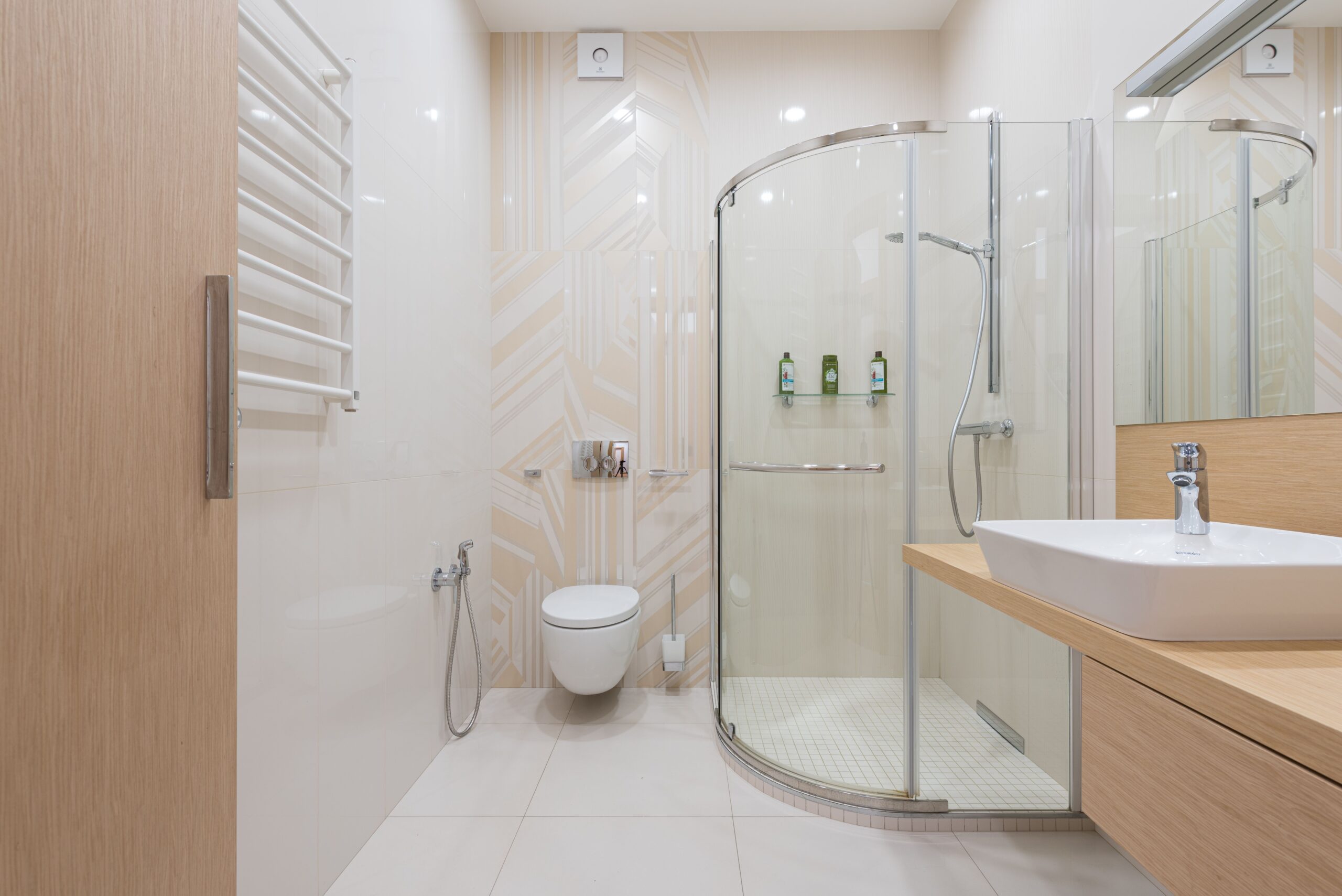
Bathrooms are one of the clearest examples of this connection because they are used constantly throughout the day. Limited storage, weak lighting and awkward layouts can quietly affect routines without homeowners fully recognizing the impact. Families dealing with aging spaces should work with a reliable Richmond bathroom remodeling company when outdated designs stop supporting comfort and convenience effectively.
Functional upgrades are often appreciated more during normal mornings than during social gatherings. Better ventilation, organized storage and accessible layouts improve routines in ways that gradually reduce stress throughout the day.
For example, a homeowner replacing cramped cabinetry with more practical storage may notice that busy mornings become calmer because clutter disappears more easily. Another family improving bathroom lighting may discover the space suddenly feels larger and more relaxing despite minimal decorative changes.
Practical design also influences maintenance. Easier-to-clean surfaces and smarter layouts reduce unnecessary effort while making homes feel more manageable overall.
Homes Work Better When Layouts Make Sense
Modern homes are expected to support much more than relaxation alone. Shared spaces now function as work areas, gathering spots and quiet retreats depending on the hour. Because of this, homeowners are paying closer attention to how rooms flow and connect with everyday routines.
Storage has become one of the most requested improvements during renovations because clutter creates visual stress quickly. Poorly organized homes often feel chaotic regardless of square footage while functional storage systems create calmer environments naturally.
Lighting also affects emotional comfort more than many people initially realize. Dark rooms can feel draining even when attractive materials and furniture are used throughout the space. Better lighting arrangements improve both usability and atmosphere immediately.
Several practical design choices commonly improve comfort inside homes:
- Built-in storage that reduces visible clutter
- Wider walkways for easier daily movement
- Better ventilation systems for healthier spaces
- Easy-to-maintain materials for busy households
- Lighting arrangements designed around routines
These improvements may seem minor individually though together they often transform how homes feel emotionally and practically.
Would homeowners invest so much into renovations if functionality did not shape daily well-being so strongly? Probably not.
Small Changes Quietly Affect Everyday Life
Many families discover that practical improvements create emotional comfort faster than dramatic decorative upgrades. Functional spaces reduce stress because routines begin flowing more naturally during ordinary days.
Kitchens and bathrooms often create the largest emotional impact because they are used repeatedly from morning until night. When these spaces feel cramped or disorganized, frustration tends to build gradually without much attention being given to it.
For example, a family reorganizing kitchen storage may spend less time searching through crowded cabinets during dinner preparation. Another homeowner installing better bathroom ventilation may notice the room feels fresher and easier to maintain immediately afterward.
Furniture placement also influences comfort. Overcrowded layouts can make even large rooms feel restrictive while open movement paths create calmer environments naturally. Simpler arrangements are increasingly being preferred because practicality matters more during busy schedules.
Maintenance demands are another important factor. People now want homes that feel manageable without requiring constant cleaning or complicated upkeep. Functional materials and thoughtful layouts quietly reduce everyday pressure.
Have you ever entered a home that immediately felt relaxing despite having relatively simple décor? Comfort is often created by usability long before decoration becomes noticeable.
Long-Term Thinking Creates Better Living Spaces
Homeowners are increasingly planning renovations around long-term convenience rather than temporary trends. Practical upgrades support changing routines, growing families and easier maintenance while helping create a safe and secure living environment for your family throughout different stages of life.
Older homes especially benefit from thoughtful updates because many layouts were designed around routines that no longer match modern living habits. Limited storage, narrow spaces and outdated fixtures often create frustration during everyday activities despite the home itself remaining visually appealing.
Outdoor functionality is receiving more attention as well. Organized garages, secure entryways and durable materials improve comfort while supporting better home management throughout the year. These upgrades are appreciated most during ordinary routines instead of occasional gatherings.
Technology has also influenced practical design choices. Smart lighting systems, touchless fixtures and energy-efficient improvements are increasingly being added because they simplify daily life quietly without making homes feel overly complicated.
Professional planning is becoming more valuable during renovation projects too. Experienced remodelers often identify layout problems and storage opportunities that homeowners may overlook initially. Thoughtful planning usually creates longer-lasting satisfaction than trend-focused upgrades alone.
Could a visually stunning home still feel exhausting if daily routines constantly become inconvenient inside it? Many homeowners eventually realize the answer is absolutely yes.
Comfort Grows When Homes Support Real Life
The connection between home comfort and practical design becomes most noticeable during everyday routines rather than special occasions. Functional layouts, organized storage and thoughtful renovations reduce stress quietly while improving how homes feel every single day.
Modern homeowners increasingly want spaces that support real living habits instead of homes designed purely for visual appeal. Convenience, organization and usability are shaping renovation decisions because comfort is now closely connected to how smoothly routines move through a space.
The most satisfying homes are rarely the ones filled with dramatic trends alone. They are the homes where movement feels natural, maintenance feels manageable and ordinary tasks stop creating unnecessary frustration. When practical design supports real life effectively, comfort becomes something that is experienced constantly rather than admired occasionally.