
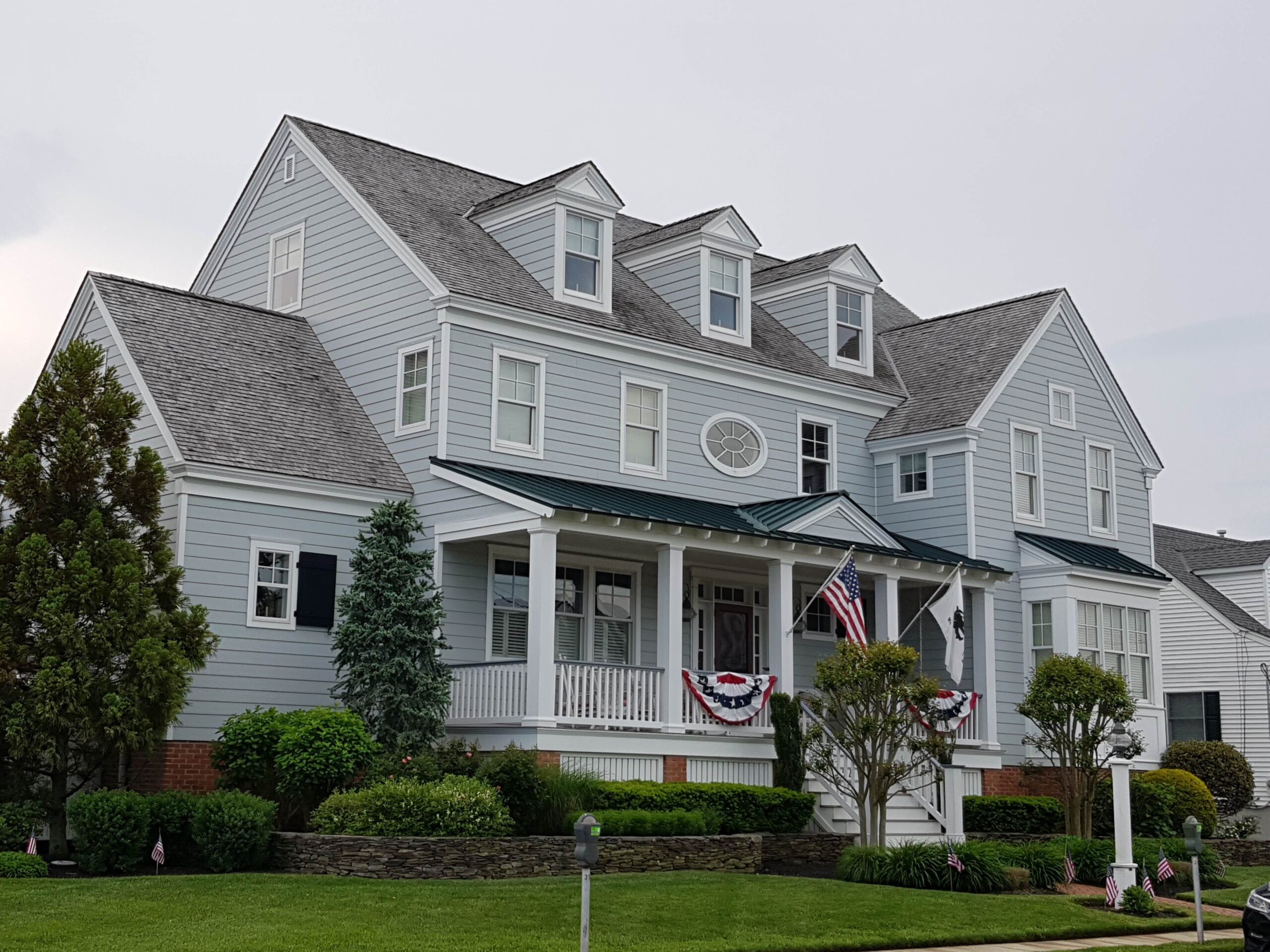
In Spring Hill, Tennessee, your roof has to handle everything from hot, humid summers to heavy rain, strong winds, and the occasional severe storm. It does a quiet job every single day, protecting your home and keeping your family comfortable without asking for much praise. The tricky part is that roof problems can sneak up on you. One day everything looks fine, and the next you notice a stain on the ceiling or shingles in the yard. If you’ve been wondering whether your roof is just getting older or truly nearing the end, these signs can help you figure out what to watch for.
Spot The Red Flags
The first clues usually show up outside. You might see shingles that are curling, cracking, or missing. Maybe the roofline looks a little wavy instead of straight. That’s not just your house having a bad hair day. It can mean the roofing materials are wearing out.
Granules in your gutters are another clue. Asphalt shingles shed those tiny bits as they age, and once enough granules are gone, the roof has less protection from sun and rain. If your neighbors are starting major roofing work too, that can be a hint if your homes were built around the same time.
If you live in or around Spring Hill, small roofing issues are worth addressing sooner rather than later because the area’s seasonal storms and changing weather can gradually make existing damage worse. If you’re weighing your options for roof replacement in Spring Hill, acting before minor problems spread can help prevent more extensive repairs later. A roof rarely fails all at once. It usually gives several warning signs first, and those signs are worth taking seriously.
Check Inside Too
Roof problems don’t always announce themselves from the driveway. Sometimes the clearest signs are inside your home. Water stains on ceilings or upper walls are one of the biggest giveaways. They may look small, but they can point to a leak that’s been slowly spreading.
You might also notice a musty smell in the attic or upstairs rooms. That can happen when moisture gets trapped where it shouldn’t. Peeling paint, bubbling drywall, or warped trim near the top of a room can also be part of the same story.
Another thing people miss is a sudden jump in energy bills. If your roof and attic ventilation aren’t doing their jobs well, your heating and cooling system has to work harder. It’s not always dramatic, but the change adds up. A quick look in the attic with a flashlight can reveal damp insulation, dark spots, or even tiny shafts of sunlight. If daylight is sneaking in, water may be planning a visit too.
Think About Age
Sometimes the biggest factor is simple. Your roof may just be old. Even a roof that looks decent from the ground can be nearing the end of its useful life. Many asphalt shingle roofs last between 20 and 30 years, although local weather conditions, installation quality, and regular maintenance all influence their actual lifespan.
If you bought your home years ago and don’t know when the roof was last replaced, now is a good time to find out. Old paperwork, inspection reports, or past owner records can help. If there’s no clear answer, a professional inspection can usually give you a realistic estimate.
You also want to think about the roof’s history. A younger roof that has been hit by several strong storms may age faster than expected. Frequent patch jobs are another clue. One repair isn’t unusual, but if the same area keeps causing trouble, it may be telling you the roof system as a whole is getting tired. At some point, endless fixes become the home version of putting tape on a leaky umbrella.
Weather Wears It Down
Roofs take a beating from the weather, and they do it 24/7. Hot sun can dry out roofing materials and make them brittle over time. Heavy rain can work its way into weak spots. Wind can loosen shingles, flashing, and edges that once felt secure.
Season changes matter too. When temperatures swing up and down, roofing materials expand and contract. That repeated movement slowly creates wear, especially around vents, chimneys, and roof valleys. Those are common trouble spots because water naturally flows through them.
Storms do not have to be severe to shorten a roof’s lifespan. A season filled with repeated rain, gusty winds, and smaller weather events can gradually wear down roofing materials just as effectively as one major storm. Even when leaks are not immediately visible, the roof may no longer provide the same level of protection it once did.
There’s also the curb appeal factor. A roof with dark streaks, mismatched patches, or visible wear can make the whole house look older. If you’re already thinking about resale or freshening up your home’s look, the roof plays a bigger role than many people expect.
Repair Or Replace
This is the question most homeowners wrestle with. A repair can make sense when damage is small, isolated, and the rest of the roof is still in good shape. If one section was affected by a fallen branch, for example, a targeted fix may be all you need.
Replacement becomes more practical when problems keep coming back, repairs are spread across multiple areas, or the roof is near the end of its expected lifespan. At that point, patching can feel cheaper in the moment but cost more over time. It’s a little like constantly fixing an old phone charger. At some point, you stop wiggling the cord and buy a new one.
Replacing an aging roof can also provide long-term peace of mind. Instead of wondering whether every heavy rainstorm might reveal another leak, you gain more dependable protection for your home. Updated roofing materials can also improve energy efficiency while helping protect the structure beneath them for years to come.
Plan The Project
If you suspect your roof is nearing the end, start with an inspection. That gives you a clearer picture of what’s happening now and what can wait a little longer. Ask simple questions. How much damage is present? Is it localized or widespread? How much life is realistically left?
If replacement is recommended, timing matters. Many homeowners prefer to schedule roofing work before severe weather seasons or before interior problems begin. Planning early also gives you more breathing room for budgeting and contractor selection.
Before work starts, prepare your home for a few noisy days. Move fragile wall decor, cover attic storage if needed, and make parking space available. If you have children or pets, it also helps to prepare them for a few days of extra noise and activity while the roofing crew is working.
Most of all, trust the signs your home is giving you. A roof doesn’t need to be dramatic to need attention. Catching issues early can save money, lower stress, and help your home stay cozy, dry, and ready for whatever the forecast decides to throw at it next.