
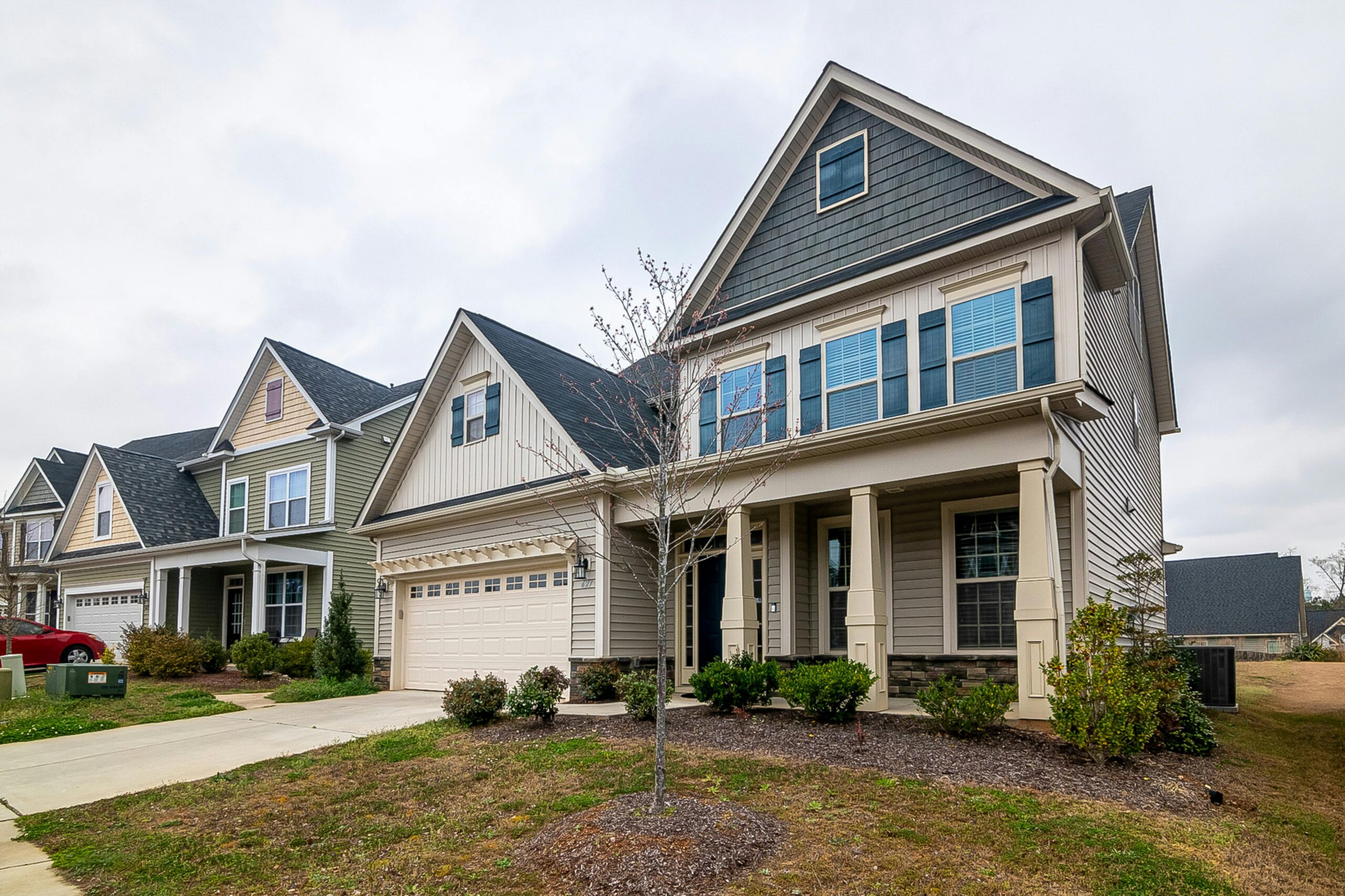
New Jersey homes deal with a lot throughout the year. Coastal storms, freezing winters, humid summers, and sudden temperature changes all put steady pressure on a house. Many homeowners notice problems only when something becomes impossible to ignore, like a leak during a rainstorm or a sudden spike in energy bills. The problem is that homes usually give warnings much earlier. Small cracks, damp smells, sticking doors, and missing shingles often show up long before major repairs become necessary.
A stressed home does not always look damaged from the outside. In many cases, the warning signs seem minor at first, which makes them easy to dismiss. Paying attention to those changes can save homeowners from expensive repairs and prevent bigger structural issues later. Here are some of the clearest signs your home may be under more stress than you realize.
Hidden Roof Damage After Storms
Many homeowners assume their roof is fine if they do not see active leaks inside the house. That assumption often leads to bigger problems later. High winds, flying debris, and heavy rain can damage shingles, flashing, and roof seals without creating immediate signs indoors. In New Jersey, storms regularly loosen roofing materials and expose vulnerable areas to moisture. Water may slowly enter the home for weeks before stains or mold become noticeable.
One missing shingle or a small crack around flashing can allow moisture to spread beneath the roofing system. That moisture affects insulation, wood framing, and attic ventilation over time. Homeowners should inspect their roof after major storms, especially if they notice debris in the yard or granules near gutters. Many people contact roof repair services NJ residents depend on for professional inspections because hidden storm damage is difficult to spot safely from the ground.
Doors That Suddenly Fight Back
When a door starts sticking, dragging, or refusing to latch properly, most people blame humidity or old hinges. Sometimes that is true. However, sudden door problems can also point to shifting within the home itself. In New Jersey, changing temperatures and moisture levels constantly affect soil movement and building materials. Over time, that pressure can slightly shift door frames and walls.
Pay attention to doors that worked fine for years and suddenly become difficult. Interior doors matter just as much as exterior ones. If multiple doors around the house start acting differently at the same time, the issue may go beyond normal settling. Look for other signs nearby, including cracks above door frames or uneven flooring. Catching these changes early gives homeowners a chance to investigate before larger structural repairs become necessary.
Cracks That Weren’t There Before
Tiny hairline cracks near windows or ceilings are fairly common in older homes. The concern starts when cracks become wider, longer, or appear in several areas at once. Homes naturally expand and contract during seasonal weather changes, especially in places with freezing winters and humid summers. Over time, that movement can place stress on drywall and framing.
Watch for diagonal cracks near doors and windows because they sometimes point to shifting foundations. Cracks that reopen after repairs also deserve attention. Homeowners should not panic over every small line in the wall, but they should track changes carefully. Taking photos every few months helps identify movement that may otherwise go unnoticed. Early repairs usually cost far less than waiting until structural problems affect larger sections of the home.
Energy Bills That Keep Creeping Up
Higher heating and cooling bills do not always come from rising utility rates. In many homes, hidden air leaks and roofing problems quietly reduce energy efficiency over time. Damaged shingles, poor attic ventilation, and moisture buildup can trap heat during summer and let warm air escape during winter. The HVAC system works harder to keep temperatures stable, which increases monthly costs.
Many homeowners focus on windows or appliances first and overlook the condition of the roof and attic. Poor ventilation creates uneven indoor temperatures and adds extra strain throughout the house. Some rooms may feel colder in winter or unusually warm during summer afternoons. These changes often happen gradually, making them easy to ignore. A professional inspection can reveal roofing or insulation issues before they create larger repair costs or long-term moisture damage inside the home.
Water Collecting Near the Foundation
Pooling water around the base of a home creates long-term pressure on the foundation. After heavy rain, homeowners should check whether water drains away properly or stays near exterior walls for hours. Saturated soil places stress on concrete and increases the chance of cracks, shifting, and basement moisture problems. Poor drainage often starts with clogged gutters, short downspouts, or uneven grading around the property.
Many homeowners focus on roof leaks and overlook what happens at ground level during storms. Water that repeatedly collects near the foundation slowly works its way into basements and crawl spaces. Signs may include damp walls, peeling paint, or a persistent humid smell indoors. Extending downspouts farther from the house and improving drainage around problem areas can reduce moisture pressure before structural issues develop over time.
An Attic That Feels Wrong
Attics reveal many early warning signs that homeowners rarely check. Excess heat, damp insulation, condensation, or poor airflow inside the attic can all point to roofing and ventilation problems. During winters, warm indoor air rises into the attic and creates condensation when ventilation is insufficient. That moisture can damage insulation, wood framing, and roofing materials over time.
Summer creates different problems. Poor attic ventilation traps heat beneath the roof, which increases indoor temperatures and places extra strain on cooling systems. Homeowners may notice uneven room temperatures or unusually high energy bills before realizing the attic is part of the issue. Checking the attic a few times each year helps identify early signs of trouble. Damp smells, visible moisture, frost buildup, or unusually hot conditions should never be ignored.
Homes deal with constant stress from weather, moisture, temperature changes, and everyday wear. Most problems do not appear overnight. They build slowly through small warning signs that many homeowners overlook because nothing feels urgent at the time. Sticking doors, ceiling stains, damp smells, rising energy bills, and missing shingles all deserve attention before they turn into larger repairs.
Regular inspections and quick maintenance decisions help protect both the structure of the home and the homeowner’s budget. Paying attention to small changes around the house often prevents more serious problems later. A home does not need to look damaged to be under stress. Catching issues early gives homeowners more control, lower repair costs, and fewer surprises after the next storm or season change.