
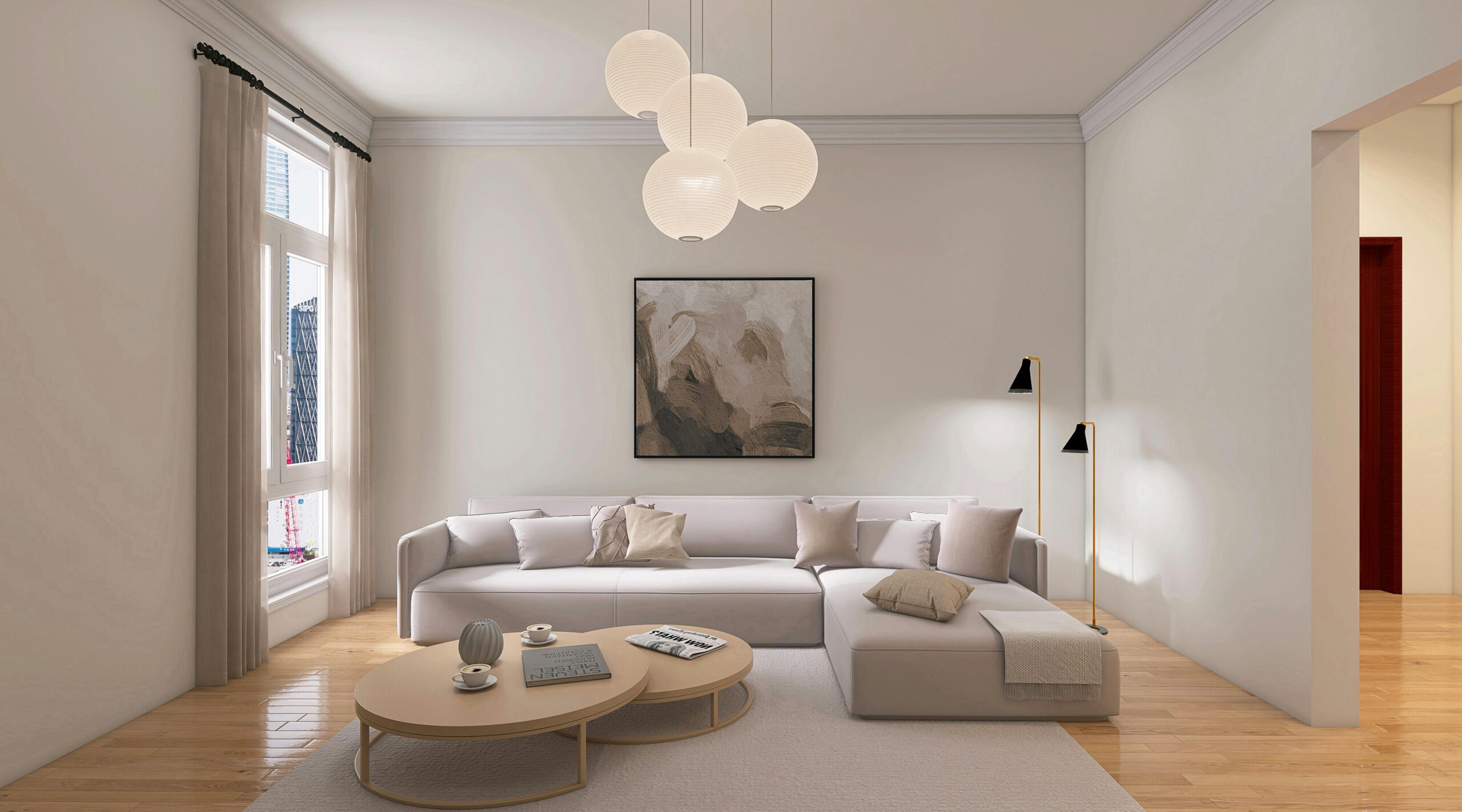
Living rooms and bedrooms often tell the truth about a home. Not in the obvious ways, like style or furniture choices, but in how people actually spend their time. Which seat gets claimed first, which corner stays empty, which room feels good in the morning, and strangely unusable by late afternoon? Such patterns rarely come from habit alone. They are shaped by light, temperature, sound, and how easily a space fits into daily routines.
In Pittsburgh, those dynamics stand out quickly. The city’s mix of older homes, varied layouts, and seasonal changes creates interiors that behave differently throughout the year. A living room that feels inviting in summer might feel closed off in winter. A bedroom that works well for sleep may feel awkward during the day. Such experiences often push homeowners to revisit practical choices that quietly influence how rooms are used, focusing less on appearance and more on how spaces support everyday life.
Window Use and Daylight
Windows have an outsized effect on how long a room feels usable during the day. Natural light influences energy, comfort, and mood, but it also affects temperature and glare in ways people notice immediately. Older windows often create uneven conditions. One side of the room feels chilly, another overheats, and certain areas go unused without much thought as to why.
In many Pittsburgh homes, this realization leads to conversations about function rather than aesthetics. Window replacement in Pittsburgh becomes a practical consideration once homeowners connect light consistency and temperature control with how often rooms are actually used. Hiring experts who understand regional housing styles and weather patterns helps tackle these issues in a lasting way.
Movement Between Rooms
How people move through a home determines which rooms become part of daily life and which ones feel peripheral. Narrow openings, closed-off layouts, or awkward transitions interrupt that flow. When movement feels inconvenient, people adjust by spending time only in the spaces that feel easiest to access.
Reworking wall placement or creating clearer openings can change this dynamic quickly. Rooms that once felt separate start to feel connected. Living rooms become natural gathering spaces rather than destinations. Bedrooms feel less tucked away and more integrated into daily routines.
Doorway Flow
Doorways influence how rooms function more than most people expect. A door that swings into a busy area or limits furniture placement can make a space feel constrained. After some time, people adapt by rearranging furniture or avoiding certain spots altogether.
Adjusting the doorway width or swing clears those obstacles. Rooms become easier to enter and exit without interruption. Furniture placement feels intentional rather than compromised. Bedrooms feel calmer, and living rooms feel more flexible simply because circulation improves.
Furniture Scale
Pieces that overwhelm a space discourage movement and make shared time feel crowded. Furniture that feels too small can make a room feel temporary or unsettled. Scale influences whether people linger or keep moving.
Once furniture fits the room, behavior follows naturally. Living rooms support conversation without feeling tight. Bedrooms feel settled and easy to move through. People stay longer because the space feels accommodating rather than restrictive.
Sleep Control
Bedrooms respond strongly to light. Early morning sun, street lighting, or uneven brightness can interfere with rest and disrupt routines. After some time, people adjust their sleep habits around these conditions rather than enjoying consistent rest.
Blackout solutions restore balance. Bedrooms become spaces that support rest regardless of the time of day. Daytime use feels calmer, and nights feel more predictable. Managing light allows the bedroom to function as a true place for rest instead of a space that works only under certain conditions.
Storage Impact
Visual clutter changes how a room feels long before it changes how it looks. When belongings stay out in the open, rooms tend to feel busy and mentally loud, even if everything has a place. Living rooms start to feel temporary, like they are always mid-use. Bedrooms lose their sense of calm when storage spills into view, turning restful spaces into holding zones.
Concealed storage quietly resets that dynamic. As everyday items disappear into built-ins, closets, or hidden compartments, rooms feel calmer and more intentional. People tend to sit longer, rest more easily, and move through the space without distraction.
Sound Control
Sound often determines whether a room feels social or private. In homes where sound travels easily, people become aware of their presence in ways they don’t always enjoy. Conversations feel exposed. Quiet activities feel interrupted. Living rooms become gathering spaces that never quite relax, and bedrooms struggle to feel separate from the rest of the home.
Adding sound-absorbing elements changes that experience noticeably. Soft surfaces, panels, or layered materials help sound stay where it belongs. Living rooms feel more comfortable for conversation without echo or spillover. Bedrooms feel calmer and more protected from household noise.
Wall Construction
Walls shape expectations around privacy, even when no one talks about it. Hollow interior walls allow sound to pass freely, which subtly limits how rooms are used. People lower their voices. Activities get postponed. Bedrooms feel less separate from shared spaces, even when doors are closed.
Replacing hollow walls with more solid construction changes how people inhabit rooms. Sound stays contained. Bedrooms regain their role as private spaces. Living rooms feel freer for conversation and activity. This kind of update doesn’t draw visual attention, but it changes how secure and self-contained each room feels. Privacy becomes something people sense rather than request.
Bedroom Function
Bedrooms often end up doing more than they were designed for. They hold clothing, work materials, storage, and personal routines beyond sleep. When closet access feels awkward or poorly placed, those activities spill into the room itself. The bedroom starts to feel like a catch-all rather than a retreat.
Reworking closet access changes this balance. As storage becomes easier to reach and better organized, the bedroom opens up. Floor space feels usable. The room supports dressing, winding down, and daytime use without feeling cluttered. Bedrooms begin to function as full living spaces rather than rooms reserved only for nighttime.
Living rooms and bedrooms don’t announce when they stop working well. They simply guide behavior in quieter ways, shaping how people move, rest, and spend time without drawing attention to themselves. Choices around light, movement, sound, and storage influence how these spaces feel long before anyone thinks about style or design. When homeowners revisit these decisions thoughtfully, rooms start supporting daily life more naturally. Spaces feel calmer, easier to use, and better suited to real routines.