
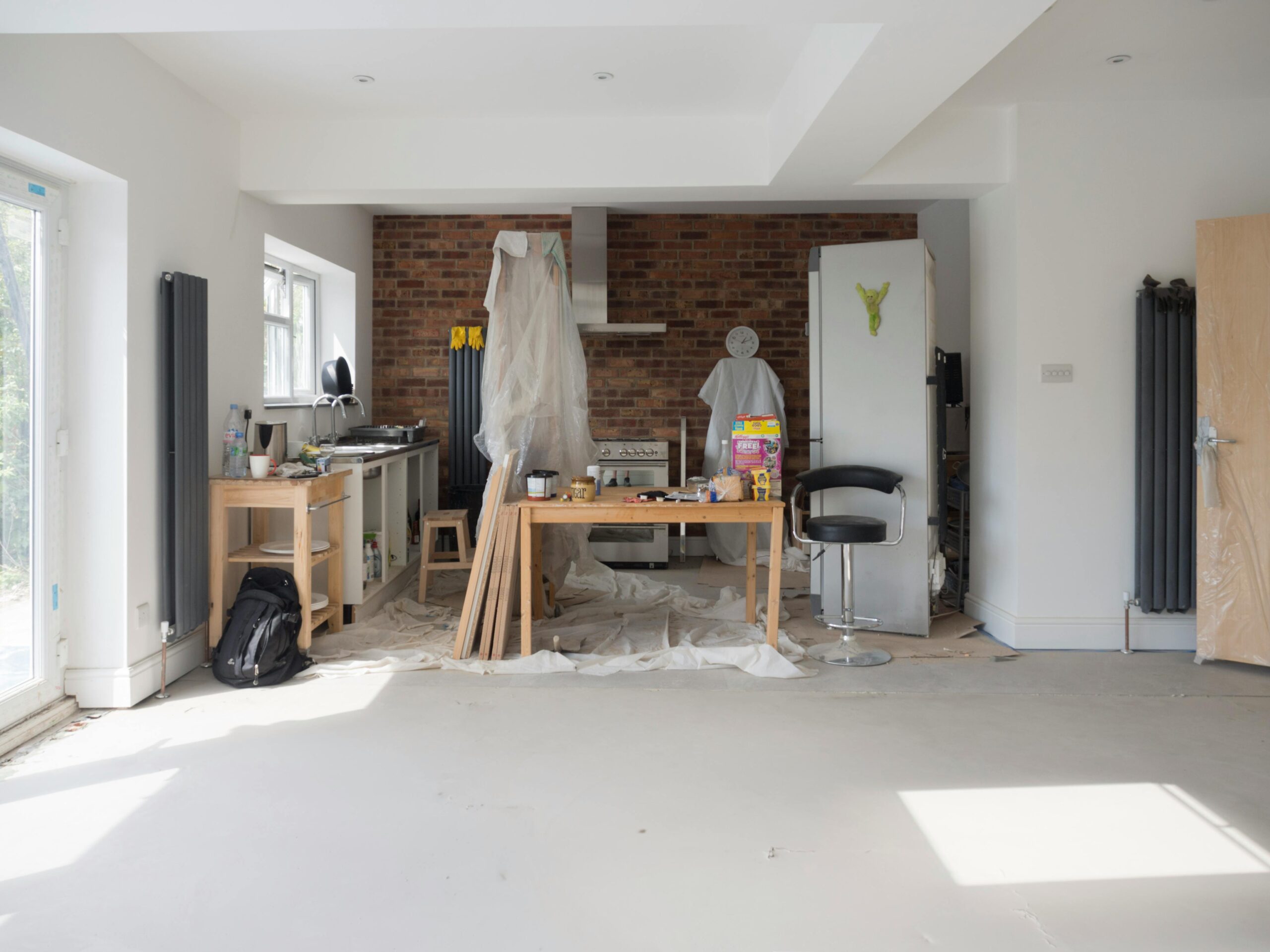
What’s the one part of your house that annoys you every single day? Maybe it’s the dim kitchen lighting, the outdated bathroom, or the mystery draft sneaking in every winter. The truth is, most of us have a mental list of home upgrades we swear we’ll get to—someday. But when someday turns into another year of inconvenience, it’s time to rethink how we prioritize improvements. Not all upgrades are created equal, and planning ahead can save money, boost comfort, and increase value.
Priorities Over Pinterest Boards
Let’s face it: it’s tempting to dream about a spa-like bathroom or a kitchen straight out of a reality TV makeover. But the smartest upgrades usually aren’t the flashiest. They’re the ones that quietly make your life easier or prevent bigger problems down the line. Energy-efficient windows, updated wiring, or a properly insulated attic may not look sexy in an Instagram post, but they’ll lower your utility bills and raise your home’s resale value.
More importantly, these upgrades reflect a shift in how homeowners think. With interest rates climbing and inflation touching everything from drywall to dish soap, there’s more focus on functionality and long-term savings. People are no longer upgrading just for aesthetics—they’re upgrading to protect investments and cut costs.
Budgeting Before the Leaks Begin
Nothing disrupts a peaceful Sunday morning like water dripping through the ceiling. Waiting until a problem forces you to act is usually the most expensive way to handle it. Planning means you can schedule upgrades around your budget and timeline, instead of scrambling during an emergency.
Take your roof, for example. It’s easy to ignore until it starts leaking. But factoring in potential costs ahead of time gives you options. Some homeowners are now exploring financing for roof replacement options through credit unions or green loan programs. These options let you spread out payments while taking care of crucial maintenance. If you start budgeting before problems arise, you can upgrade with less stress and more control—on your terms, not your insurance company’s.
The Rise of Practicality
We’re living in an era where more people are rethinking what really matters. COVID-19 forced everyone indoors, shining a spotlight on every crack in the paint and creaky floorboard. As hybrid work becomes the norm, homes need to be more functional than ever. It’s not just about looks—it’s about comfort, utility, and sometimes even survival.
Air filtration systems, water softeners, smart thermostats—these upgrades might sound boring, but they’ve become essentials in many households. Homeowners are prioritizing health, efficiency, and convenience over shiny upgrades that offer little return. That means investing in insulation over wallpaper and security systems over surround sound.
Sustainability Is the New Status Symbol
Forget granite countertops—solar panels are the new home flex. As climate change and high energy costs take center stage, homeowners are putting their money into sustainable upgrades. Government incentives like tax credits for solar installations or energy-efficient appliances make these choices even smarter financially.
It’s not just about saving the planet—it’s about long-term planning. Energy-efficient upgrades pay you back over time. And with rising utility prices, even modest improvements like LED lighting or low-flow faucets can make a noticeable difference. Planning ahead here isn’t just eco-conscious; it’s wallet-conscious too.
Timing Your Upgrades Wisely
When it comes to home improvements, timing isn’t everything—but it helps a lot. Planning ahead lets you avoid seasonal price hikes and scheduling delays. Contractors are typically less busy in winter and early spring, which can mean better rates and quicker project timelines.
Materials fluctuate in price throughout the year, especially now, with ongoing supply chain disruptions. Lumber, for instance, has seen massive spikes in cost. Planning ahead means you can wait out the high prices or order early to beat the rush. You’ll also have time to research, compare quotes, and make decisions based on value—not urgency.
The Emotional Payoff
Home upgrades aren’t just financial decisions—they’re emotional ones, too. There’s something deeply satisfying about finally fixing the sticking door you’ve hated for five years or swapping that ancient stove for one that doesn’t sound like a jet engine. These changes improve your day-to-day life in small but meaningful ways.
By planning ahead, you make room for that satisfaction without the panic that often comes with rushed decisions. It turns home improvement from a reactive headache into a proactive win. Plus, knowing your space is safer, more efficient, or just a little more comfortable can give you peace of mind you didn’t realize you were missing.
Planning as a Form of Control
In a world that often feels unpredictable, planning home upgrades is one way to regain a sense of control. It’s empowering to say, “I’ve got a plan,” even if that plan involves doing one small project every few months. The goal isn’t perfection—it’s progress.
Whether you’re using a spreadsheet, a Pinterest board, or sticky notes on the fridge, having a home improvement roadmap makes decision-making easier. You’ll avoid impulse buys and can phase upgrades in ways that suit your lifestyle and income. Planning also gives you the flexibility to pivot if your priorities change, without losing sight of your bigger goals.
Upgrade with Intention, Not Just Inspiration
There’s no shortage of inspiration out there. Social media is bursting with gorgeous home makeovers that promise instant transformation. But inspiration without intention can lead to a whole lot of wasted time and money. The chipped shiplap wall might look great in photos, but will it still spark joy when it warps in your humid bathroom?
Planning upgrades with intention means asking the hard questions: Will this last? Will this make life easier? Will it add value to my home or just to my feed? When upgrades are rooted in your specific needs—not trends—they matter more and last longer.
We’re moving into a time when thoughtful planning isn’t just a smart strategy; it’s a survival skill. Home upgrades done with foresight can reduce stress, save money, and help your space truly work for you. So instead of dreading that broken garbage disposal or ignoring the cracked tiles, start making a plan—one project at a time. Your future self will thank you.