In June of 1952, German publishing tycoon Axel Springer was sending a new paper to print: a four-page broadsheet that almost ready, save for a narrow blank on the second page. With minutes to spare, Springer commissioned a one-block cartoon of a petite blonde with a predilection for rich men. That blonde was named “Lilli.” But in a span of seven short years, she would be reborn in plastic, across an ocean, and under a different name: Barbara Millicent Roberts.
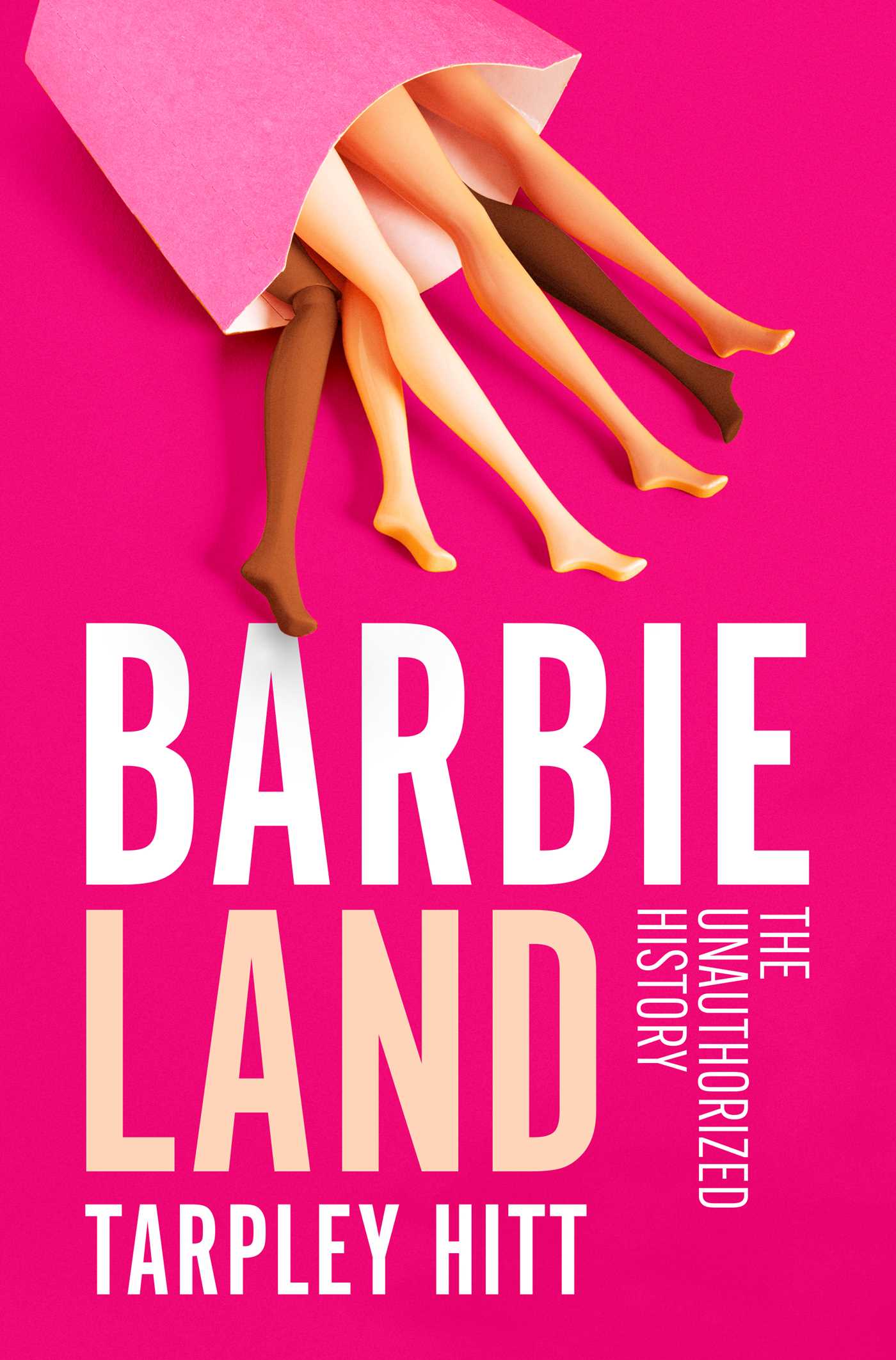
If Barbie began as a blank space, the world has spent seven decades filling it in. No doll has elicited more adoration from fans, more hatred from detractors, and more eyerolls from the indifferent. To boosters, she is the ultimate symbol of unabashed girlhood, an 11.5-inch figurine who shot to the moon before American women could get credit cards, an evolving illustration that, per one tagline, “we girls can do anything.” To critics, she represents an inane vision of femininity that was going out of style just years after she was “born”—an homage to impossible body proportions, an emblem of Eurocentric beauty standards, a bimbo built on an empire of polyethylene. For everyone else, Barbie is to dolls what Xerox is to copy machines, or Kleenex is to tissues. She is, for better or for worse, an American icon.
Barbie’s conquest over the toy market did not happen by accident. It is the byproduct of meticulous marketing, occasional backstabbing, squadrons of designers with strong opinions on coral lip shades, and covert corporate maneuvers—many of which replicate, in miniature, the economic trajectory of the country Barbie seems to represent.
ABOUT THE AUTHOR:
Tarpley Hitt is a journalist in New York, New York, where she is an editor at and contributor to The Drift magazine. She has previously reported on culture and money for The Daily Beast and Gawker, and her work has also appeared in The New York Times, Bookforum, The Paris Review, The Guardian, Air Mail, Deseret Magazine, and Miami New Times.
ADVANCED PRAISE:
“More than the story of a toy, Barbieland is the story of the twentieth century. As fun as it is informative—you’ll never look at a doll the same way.” —Malcolm Harris, bestselling author of Palo Alto
“Barbie’s story embodies all the contradictions of women’s lives—and the perils of our corporate and financial order. Barbieland is eye-opening, provocative, surprising, and always, always fun.” —Helaine Olen, bestselling author of Pound Foolish
“A must-read take on Barbie’s backstory that gives us all the good weirdness we need. Barbieland marks the arrival of a brilliant new voice on the American nonfiction scene.” —John Jeremiah Sullivan, Pushcart Prize-winning author of Pulphead
“A brisk, playful, ambitious journey into the messy world of toys. I would read anything by Tarpley Hitt.” —Kerry Howley, author of Bottoms Up and the Devil Laughs
“Gutsy in its reporting, sharp and ambitious in its analysis, and funny as hell.” —Molly Young, author of Privacy
“A lively, highly informative investigation of the kings and queens of the toy world.” —Jill Abramson, author of Merchants of Truth