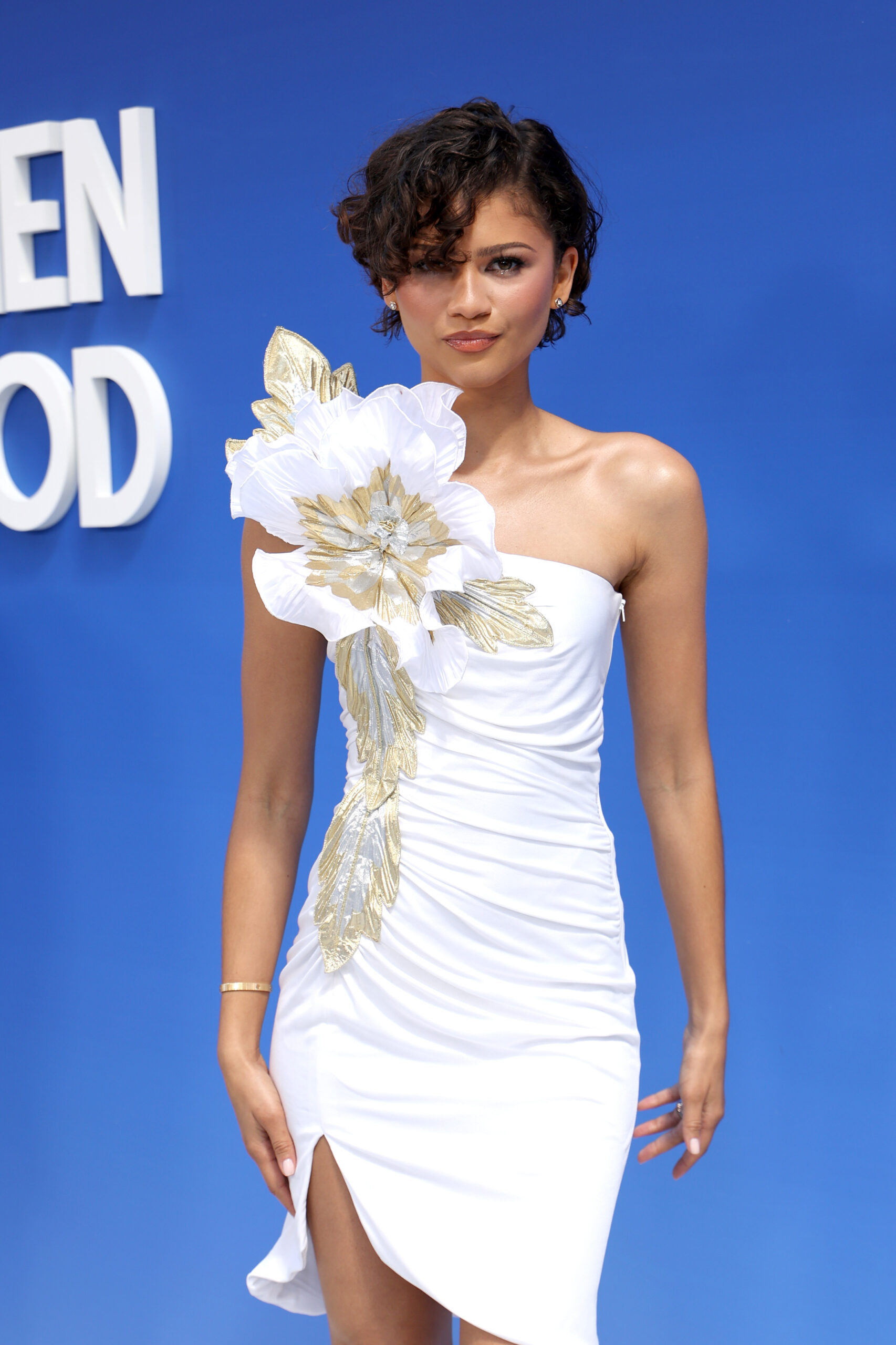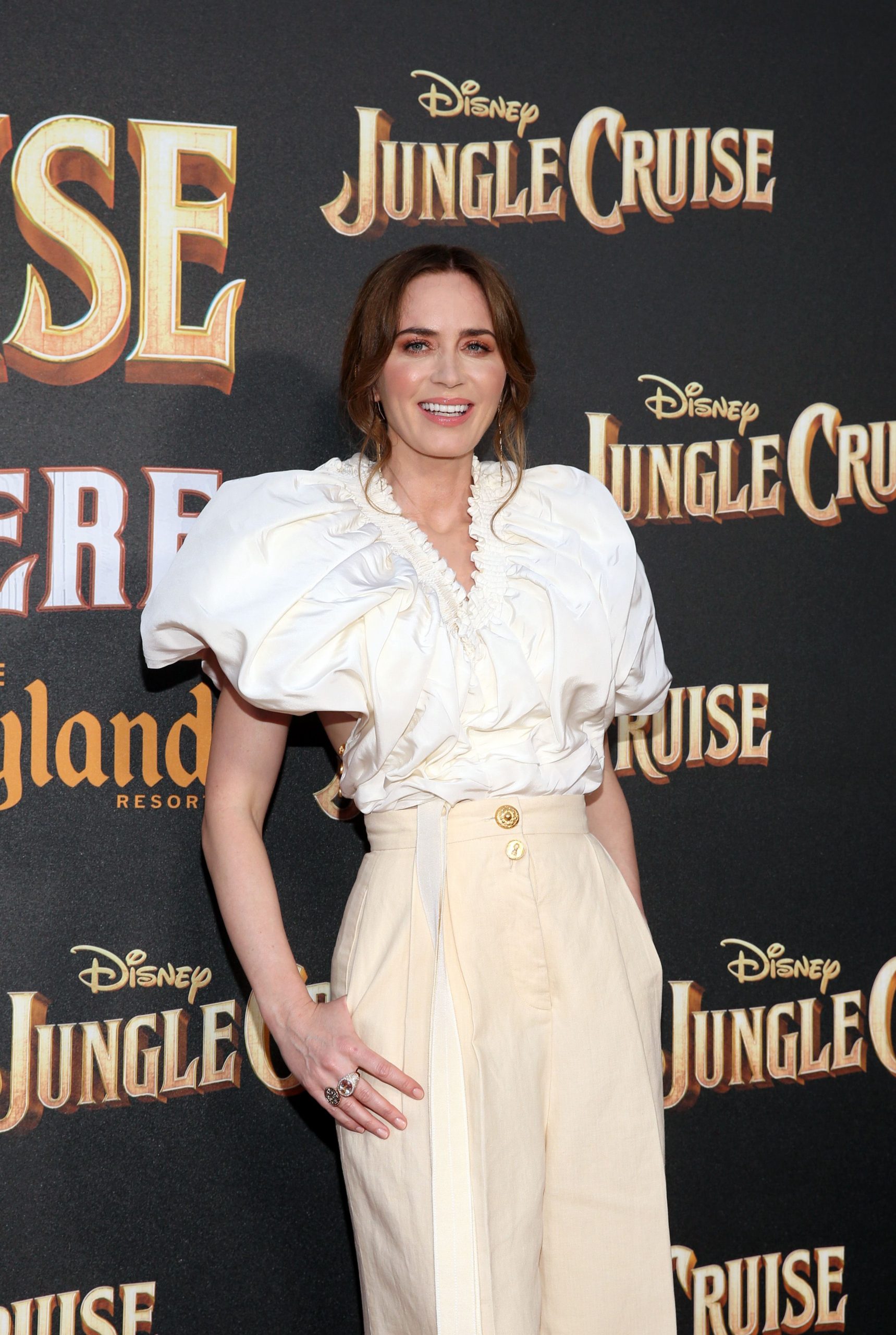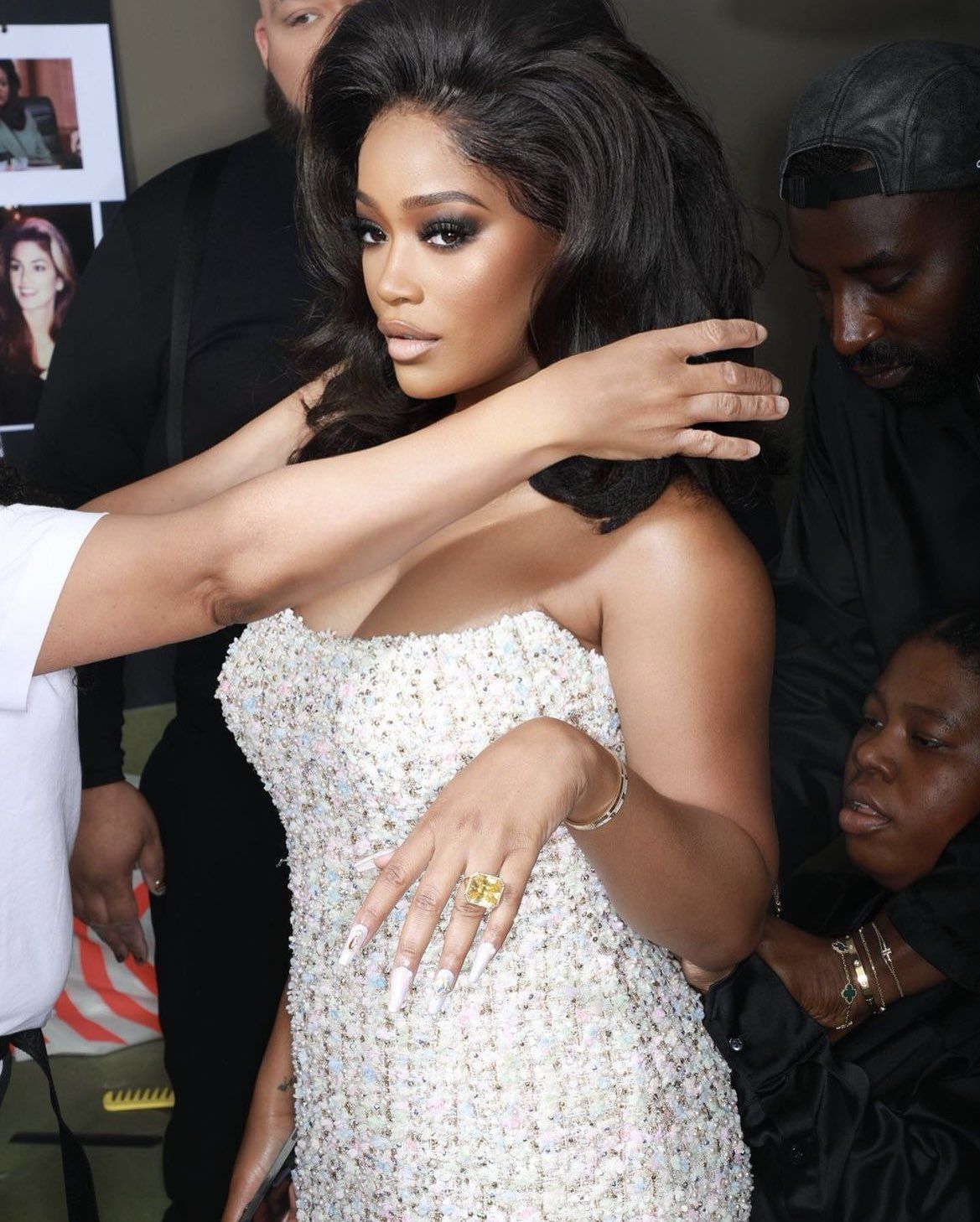
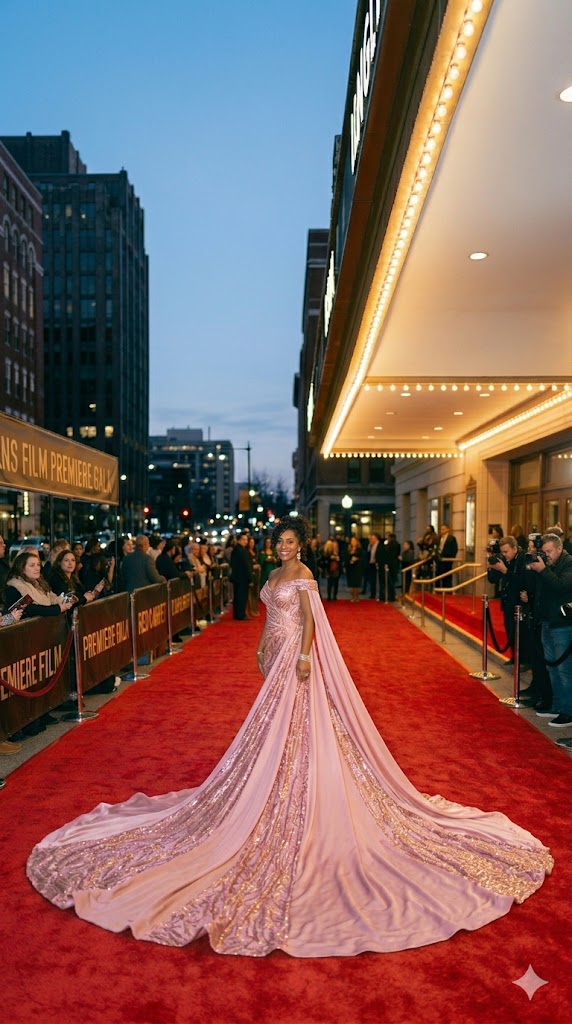
Chanel dressed four women at the 2026 Oscars. Nicole Kidman, Teyana Taylor, Gracie Abrams, and best actress winner Jessie Buckley all wore gowns from Matthieu Blazy’s first full awards season as creative director. The last time a single house claimed that much red carpet territory during Hollywood’s biggest night, the conversation centered on whether fashion had become too predictable. This time, the conversation was different.
The 2026 awards season played out across a series of deliberate choices. Zendaya in Louis Vuitton. Emma Stone in a beaded column from the same house. Elle Fanning in Givenchy by Sarah Burton. Demi Moore in feathered Gucci. Each appearance built on the one before it, and by the time the final statuettes were handed out, a pattern had emerged. Designers were competing for placement, yes, but the real contest was between two different models of influence: the traditional red carpet machinery and the rising force of smaller voices with outsized reach.
The Season’s Most Versatile Dresser
Teyana Taylor wore custom Schiaparelli to the Golden Globes. The gown, an asymmetrical cutout black bustier by Daniel Roseberry, drew immediate attention. Taylor told WWD something that explained her approach: “With the award shows, I’m going direct to designers myself, and I think it’s more personal.”
That directness carried through her other appearances. A silver-and-white Thom Browne look at the Actor Awards. Custom Chanel in Paris during fashion week. She never repeated a silhouette or leaned on a single aesthetic. One publication described her as “without question, the most versatile and exciting dresser of the season.”
Taylor’s method bypassed the stylist-as-gatekeeper structure that has long defined red carpet dressing. She contacted designers herself. She made selections based on what she wanted to say, not what a team thought would generate the most coverage. The result was a series of appearances that felt connected to each other without being repetitive.
Jewelry Choices That Shaped Awards Season
Kate Hudson’s 41 carats of rare green diamonds at the 2026 Oscars drew attention alongside her Armani Privé gown, but her 15-carat Fancy Deep Green diamond ring anchored the entire look. Selena Gomez paired her feathered Chanel with minimal accessories, letting the dress carry the statement. Teyana Taylor rotated between bold custom gowns and quieter jewelry selections throughout the season.
These choices highlight how celebrities balance statement pieces with restraint. Some opt for unique wedding bands or stacked rings over heavy necklaces, while others layer green diamond earrings with coordinated stones. The ring, not the necklace, often becomes the focal point.
Feathers Everywhere
The feathered gown became the season’s most visible recurring element. Selena Gomez set the tone early at the Golden Globes, wearing a black Chanel dress trimmed with more than 200 organza and silk feathers. Matthieu Blazy had presented the collection months earlier, but the red carpet is where these pieces find their second life.
At the Oscars, the feather trend expanded. Teyana Taylor, Maya Rudolph, and Nicole Kidman all wore feathery custom Chanel gowns. The Grammys offered more variations: Tyla in feathered Dsquared2, Doechii in a 13-foot feathered Roberto Cavalli, Kesha in off-white feathers from Atelier Biser.
The through line was texture. Designers used feathers to create movement and dimension that photographed well but also translated to video. A static red carpet image captures the dress. A broadcast moment captures how it moves.
The Reisman Approach
Wunmi Mosaku arrived at the Golden Globes in a yellow gown designed by her stylist, Matthew Reisman. The choice was unusual. Stylists typically pull from designer collections rather than create original pieces. Reisman and his twin brother Reginald run a Los Angeles operation known for sharp tailoring and modern silhouettes.
Their client list includes Nic and Olandria from Love Island, along with artists like SZA and Lizzo. One of their clients’ first major fashion outings featured archival Versace during a New York press run. The willingness to mix archival pieces with new designs points to a different philosophy than the traditional publicist-approved approach.
Hailey Bieber reinforced this at the 2026 Style Awards, wearing vintage Armani Privé from Giorgio Armani’s spring 2009 collection. Emily Blunt appeared in Carolina Herrera at the same event. The juxtaposition made a statement: new and archival can coexist on the same red carpet, and the choice between them is increasingly driven by the wearer’s own preferences.
The Numbers Behind Influence
The global fashion influencer marketing market reached $6.82 billion in 2024, according to Grand View Research. Projections put it at $39.72 billion by 2030. Those figures tell part of the story, but the more interesting data concerns who drives engagement.
Nano-influencers, those with 1,000 to 10,000 followers, generate 49.7% higher engagement than micro-influencers. On Instagram, nano-influencers deliver 6.23% average engagement rates, the highest of any tier on the platform. On TikTok, that number climbs to 10.3%.
The practical effect is that smaller accounts often outperform larger ones in terms of audience response. A celebrity with 20 million followers might generate fewer meaningful interactions per post than a focused account with 8,000 followers. Brands have noticed. Nano-influencers now represent 75.9% of Instagram’s influencer base and 87.68% of TikTok’s.
What Brands Are Spending
U.S. brands are expected to spend around $10.52 billion on influencer marketing in 2025, a 23.7% increase from the previous year. More than half of Gen Z and Millennials say they would consider buying a product recommended by an influencer.
During Cyber Week 2025, influencers nearly doubled their share of total orders year over year. Influencer-driven spending jumped 51% while commission costs stayed flat. That efficiency explains why 74% of brands are moving budget into creator programs for 2026.
The median cost per thousand impressions for micro creators sits at $119. Nano creators can command up to $211, driven by their higher engagement rates. The economics favor smaller, more focused accounts over massive followings with diluted attention.
Virtual Influencers Enter the Mix
AI-generated personalities are starting to appear in brand campaigns. CMOs might allocate up to 30% of their influencer budgets to virtual or CGI influencers by 2026, though current adoption remains low. Over 60% of brands report experimenting with virtual-first campaigns, and nearly 55% of marketers claim higher engagement efficiency from these artificial spokespeople.
The appeal is control. A virtual influencer never has a bad day, never posts something off-brand, never ages or gains weight or develops opinions that conflict with sponsor messaging. The tradeoff is authenticity, but that tradeoff seems increasingly acceptable to marketing departments with specific goals and limited patience for unpredictability.
Where Red Carpets and Feeds Converge
The traditional red carpet model depends on editorial gatekeepers. Photographers capture images, publications select which ones to run, and the public sees a curated version of the event. Social media introduced a parallel track where celebrities could post their own images, styled and lit according to their preferences.
Now a third track has emerged. Influencers attend events, create content, and share it with audiences who never read fashion magazines or watch awards broadcasts. The coverage reaches different people through different channels, and the conversation about what happened at an event often takes place among accounts with a few thousand followers rather than major publications.
Kate Hudson’s green diamonds appeared in traditional coverage, but they also circulated through Instagram accounts focused on jewelry, accounts that contextualized the pieces within a broader conversation about stones, settings, and what different choices communicate. The 15-carat ring received attention not because it was the most expensive item she wore, but because it anchored everything else.
The Season’s Lasting Images
Awards season generates thousands of photographs. Most disappear within days. A few persist. Jessie Buckley accepting her award in Chanel. Teyana Taylor’s black Schiaparelli gown with its asymmetrical cutout. Kate Hudson’s green diamonds catching light at a specific angle.
These images last because they contain something specific. Not a general sense of glamour, but a particular combination of garment, accessory, and moment that can’t be replicated. The gown matters. The ring matters. The person wearing both matters most.
Selena Gomez understood this when she chose minimal accessories with her feathered Chanel. The dress was the statement. Adding heavy jewelry would have created competition between elements rather than coherence. The restraint was itself a choice, and it read as confidence rather than absence.
Wunmi Mosaku’s yellow gown worked because the color was specific. Not gold, not cream, not anything safe. A bright, saturated yellow that photographed exactly as it appeared in person. Her stylist designed it, which meant the fit was precise and the vision was unified.
The season ended with a clear sense of what worked and what didn’t. Heritage houses maintained their position. Smaller creators gained ground. Jewelry became more considered, less automatic. And the conversation about all of it happened across platforms, audiences, and attention spans that continue to fragment even as the events themselves remain fixed points on the calendar.