
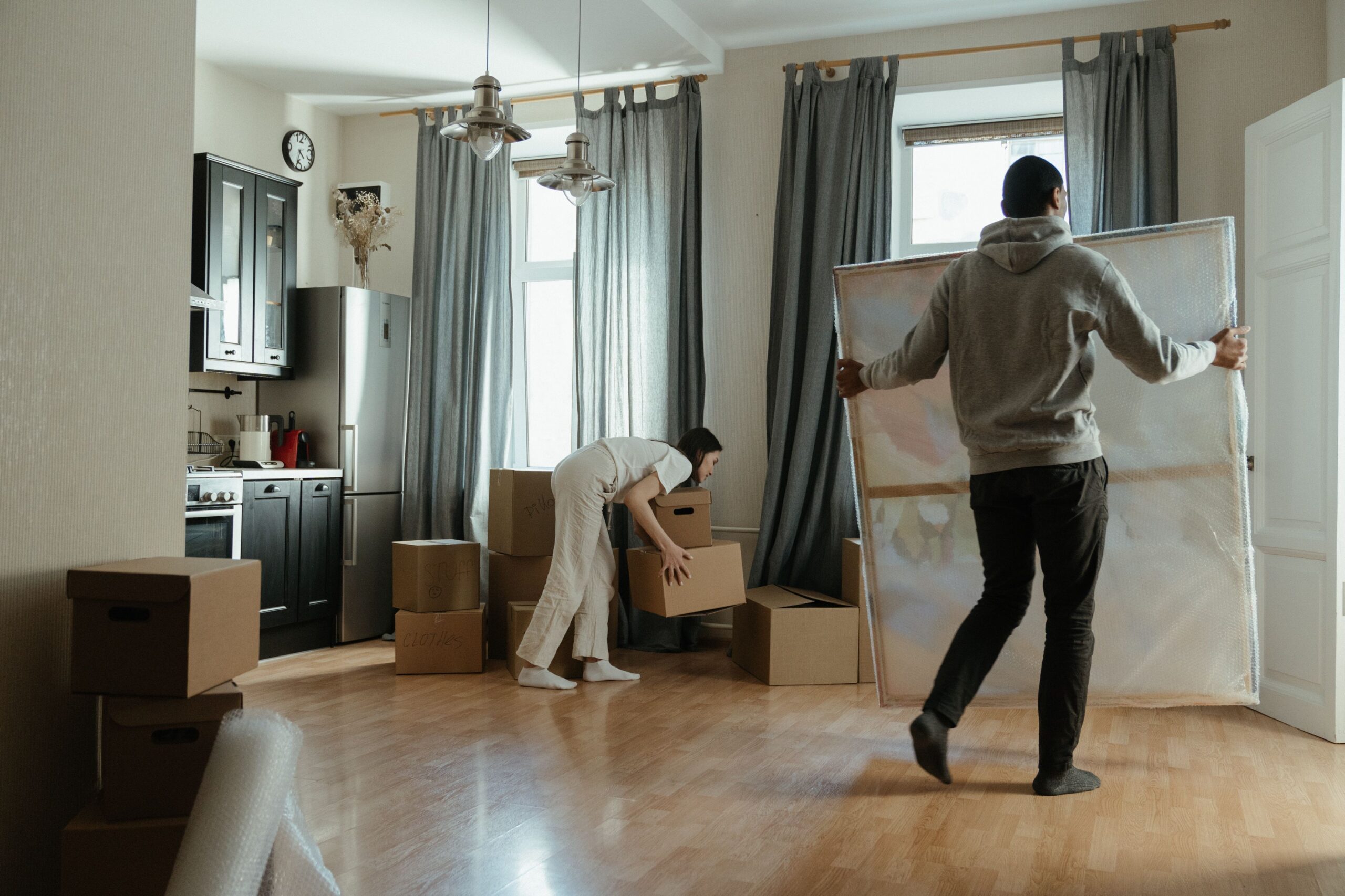
While the thought of settling into a new space can be motivating, the process of getting there can feel overwhelming. Between organizing belongings, coordinating schedules, updating important information, and preparing for life in a new location, there are many moving parts to manage.
For homeowners and renters in communities like St. Charles, Illinois, relocating can involve additional considerations. The city continues to attract residents because of its welcoming neighborhoods, strong sense of community, and convenient access to nearby employment and recreational opportunities.
The key to a successful move is preparation. When you break the process into manageable steps and start early, you can reduce stress, avoid common mistakes, and make moving day much more efficient.
Before packing boxes or arranging transportation, it’s important to create a clear plan that outlines how the move will be handled from beginning to end.
Start With a Well-Organized Moving Plan
A successful move starts long before moving day arrives. Taking the time to develop a detailed plan can help prevent last-minute surprises and keep everything on track.
Begin by evaluating your specific moving needs. Consider the size of your household, the number of belongings you own, and the distance between your current and future home. If you have large furniture, delicate items, antiques, or specialty belongings, you’ll want to account for their transportation as well.
The next step is deciding how much support you’ll need during the relocation process. Some people choose a do-it-yourself approach, while others prefer professional assistance to reduce the physical and logistical demands of moving.
For many households, professional help can save time and reduce stress. Homeowners who want assistance with packing, loading, transportation, and unloading may benefit from working with local movers. If you’re looking for a reputable moving company in St. Charles, there are numerous experts who understand local neighborhoods, offer experienced moving crews, and can help coordinate the relocation process from start to finish.
As you compare service providers, take time to read reviews, verify credentials, and understand what services are included. Choosing the right moving partner can have a major impact on the overall experience and help eliminate many common moving-day challenges.
A well-organized plan also includes setting a moving budget, establishing timelines, and creating a checklist of tasks that need to be completed before moving day.
Declutter Before You Begin Packing
One of the best ways to simplify a move is by reducing the number of items you need to transport.
Most people accumulate belongings over time without realizing how much they actually own. Moving provides an excellent opportunity to evaluate what you truly need and what can be left behind.
Start by going through your home room by room. Sort items into categories such as keep, donate, sell, recycle, or discard. This method helps make decisions more manageable and prevents unnecessary clutter from following you into your new home.
Reducing the number of items you move can offer several advantages. Fewer belongings mean less packing, lower transportation costs, and faster unpacking after arrival.
As you sort through your possessions, consider creating a household inventory. A simple inventory list can help track valuable items and ensure everything arrives safely at your destination. It can also be useful for insurance purposes if needed.
The more organized you are before packing begins, the easier the entire moving process becomes.
Pack Strategically to Avoid Last-Minute Stress
Packing often takes longer than people expect. Starting early and following a systematic approach can make the process far less overwhelming.
Begin by gathering the supplies you’ll need, including sturdy boxes, packing tape, protective materials, markers, and labels. Having everything ready before you start can save time and frustration.
A room-by-room packing approach helps maintain order throughout the process. Clearly identifying the contents of each box and its destination room can make unpacking much simpler once you arrive at your new home.
Fragile items should receive extra attention. Use plenty of protective materials and avoid placing too much weight in a single box. Taking these precautions can help prevent damage during transportation.
Another helpful strategy is preparing a separate essentials box. Include the items you’ll need immediately after arriving, such as medications, toiletries, chargers, important paperwork, basic household necessities, and clothing for the first few days.
Having these items readily available means you won’t have to search through multiple boxes while settling into your new home.
Prepare Your Current and New Home for Moving Day
Moving day tends to go more smoothly when both properties are prepared in advance.
Several weeks before the move, begin handling administrative tasks. Notify banks, insurance companies, healthcare providers, subscription services, and government agencies of your upcoming address change. Completing these updates early can help avoid interruptions after the move.
Utility transfers are another important consideration. Schedule the disconnection of services at your current home and arrange for activation at your new residence before moving day arrives. This helps ensure that electricity, water, internet, and other essentials are available when needed.
Protecting both homes during the move is equally important. Use floor coverings, furniture pads, and protective materials to minimize the risk of damage while moving large items through doorways and hallways.
If you’re moving into an apartment complex or community with specific access requirements, confirm parking arrangements and move-in procedures ahead of time. These small details can help prevent delays and confusion on moving day.
Preparation on both ends of the move contributes significantly to a smoother experience.
Settle Into Your New Home Efficiently
Once you’ve arrived at your new home, the goal is to become comfortable as quickly as possible.
Instead of trying to unpack everything immediately, focus on the areas you’ll use most often. Bedrooms, bathrooms, and the kitchen are typically the best places to start.
Having these essential spaces function right away can make the first few days much more comfortable. Afterward, you can gradually work through the remaining rooms at a more manageable pace.
As you unpack, take the opportunity to organize items thoughtfully. Placing belongings in their proper locations from the beginning can help prevent clutter from accumulating later.
Getting familiar with your new neighborhood is also an important part of settling in. Explore nearby grocery stores, pharmacies, schools, parks, restaurants, and community services. Learning where essential resources are located can help you feel more at home.
Taking small steps each day can make the transition feel less overwhelming and more enjoyable.
Moving to a new home can feel like a major undertaking, but the process becomes much easier when you plan ahead, stay organized, and tackle tasks one step at a time.
Creating a detailed plan, reducing unnecessary belongings, packing strategically, and preparing both homes ahead of time can eliminate many of the common challenges people face during a move.
The transition to a new home represents an exciting opportunity for a fresh start. By staying organized and focusing on one task at a time, you can reduce stress and enjoy the journey more fully.